
Mold Inspection & Testing in Dallas, Texas
Professional mold inspection and testing to identify hidden mold growth and air quality issues in Texas properties.
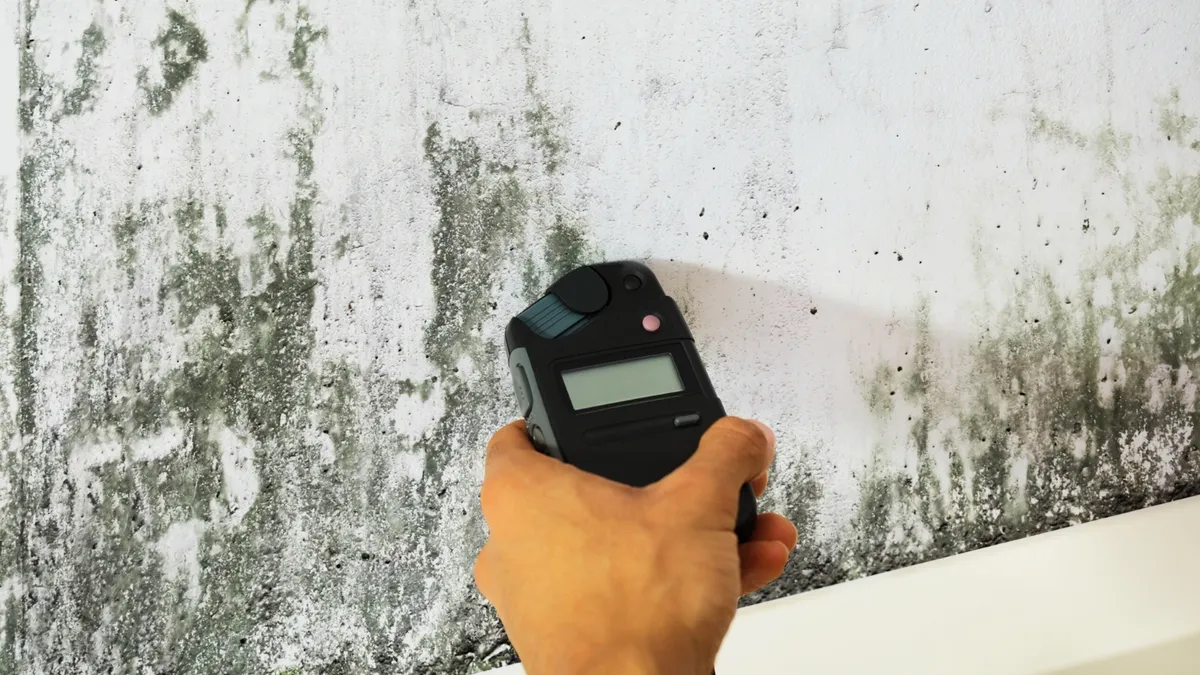
Mold Inspection in Dallas
When mold inspection is needed in Dallas, Texas, the first few hours matter most. Not all mold is visible. It can grow behind walls, under flooring, in attics, and inside HVAC systems — often signaled only by a musty odor or unexplained health symptoms. A professional mold inspection identifies where mold is present and how extensive the problem is.
In Dallas, Texas, our technicians bring the same approach: mold inspection and testing combines visual assessment, moisture readings, and sometimes air or surface sampling to give property owners a clear picture before remediation begins.
Working in Dallas County means accounting for what the North Texas region does to buildings here. Winter storms that bring sudden hard freezes to North Texas have historically caused widespread pipe failures across the area.
Nights, weekends, and holidays are all covered. A Dallas call reaches someone who can dispatch a technician rather than an answering service taking a message for the morning.
We start every Dallas job the same way, by understanding what actually happened and telling you plainly what it will take to put it right.
What To Do Right Now
The steps that limit damage, and the reactions that commonly make it worse.
Do This Now
- Leave the suspected area undisturbed so sampling reflects actual conditions rather than what cleaning stirred up
- Note when the smell or symptoms started and whether they track with weather, rain, or running a particular fixture
- List any past water damage at the property, including events that were dried and considered resolved
- Gather documentation from previous repairs, roof work, or plumbing fixes that might be relevant
- Photograph any visible growth or staining before the appointment
- Run the HVAC normally in the days before the inspection unless growth is visible at a vent, since typical operation gives a more representative air sample
Avoid Doing This
- ×Do not clean, scrub, or treat the suspected area before the inspection, as it invalidates sampling
- ×Do not run air purifiers, ozone generators, or foggers beforehand, which temporarily suppress readings without fixing anything
- ×Do not open all the windows just before the appointment, since outdoor air changes the indoor baseline the samples are measured against
- ×Do not rely on a consumer settle-plate test kit to decide whether you have a problem, because those results are not interpretable against a meaningful baseline
- ×Do not hire the same party to assess and then remediate a licensed project, which Texas rules do not permit
- ×Do not delay the inspection because nothing is visible, since the growth causing a musty odor is usually inside a cavity
How To Tell You Need This Service
Problems This Service Solves
Left unaddressed, mold inspection situations in Dallas, Texas tend to create the same set of problems we see across Texas. The longer they sit, the more of these compound:
- Hidden mold growth behind walls or under flooring
- Unexplained musty odors
- Uncertainty about air quality after past water damage
- Difficulty identifying the source of mold-related symptoms
When You Need This Service
We hear from Dallas homeowners and businesses when situations like these come up, often without much warning:
- A musty smell is present without visible mold
- A property had past water damage and mold risk is a concern
- Buying or selling a property and wanting air quality clarity
- Confirming the extent of visible mold before remediation
What Happens While You Wait
Damage progresses on its own schedule. This is roughly how it unfolds.
Growth Continues
Mold does not pause while you decide whether to investigate. As long as material stays wet, the affected area expands and the eventual remediation scope grows with it.
Spread Beyond the Source
Growth moves along the moisture through cavities and into adjoining assemblies, and spores reaching a return vent are distributed to rooms that never had a water problem.
Material Damage Compounds
Framing, subfloor, and drywall deteriorate, stored contents become affected, and what an early assessment would have caught as a contained area becomes a multi-room project.
Undocumented Problems Cost More
Discovering mold during a transaction or after a claim is filed leaves you negotiating from a weak position with no independent record of when the problem started or what caused it.
There is no single timeline that fits every mold inspection job, but Dallas property owners can generally expect an initial response and assessment first, then several days of active work, and finally a close-out step where the technician confirms everything meets the standard it should before calling the job finished. Your technician will walk you through a more specific estimate once they have seen the actual extent of the damage.
Our Process in Dallas
Here is what our technicians typically do once they arrive at a Dallas property, step by step rather than skipping ahead:
- 1
Visual Inspection
The inspector examines visible areas and likely moisture-prone spots like attics, crawl spaces, and bathrooms.
- 2
Moisture Readings
Moisture meters identify damp areas that may be feeding hidden mold growth.
- 3
Sampling (if needed)
Air or surface samples may be collected to confirm mold presence and type.
- 4
Report & Recommendations
Findings are documented with clear recommendations for next steps.
The Equipment We Bring
Our technicians arrive at every Dallas job with the equipment the situation actually calls for rather than a generic kit: moisture meters and thermal cameras to find out how far damage has spread, extraction and drying equipment sized to the property, and the protective gear needed for anything involving contamination or biohazard material. The specific tools vary by job, but the goal stays the same. Assess accurately before starting work, then use the right equipment instead of guessing. That upfront assessment is also what keeps a Dallas job from turning into a longer, more expensive one than it needed to be.
What's Included
When you call for mold inspection in Dallas, Texas, here is what is included, with no surprise add-ons once the work is underway:
- Visual inspection of likely problem areas
- Moisture readings
- Air or surface sampling when appropriate
- A written report with findings and recommendations
Mold Inspection in Dallas, Texas
Conditions across the North Texas region shape what our technicians find at Dallas properties. Plumbing routed through unconditioned attics is widespread across North Texas housing stock. When a line in an attic splits during a freeze, the water comes down through ceilings into multiple rooms at once, which is why freeze damage here is rarely confined to where the pipe actually failed.
Our technicians work throughout Dallas County, so mold inspection in Addison, Balch Springs, Carrollton, Cedar Hill is handled by the same crews that cover Dallas.
North Texas sits in one of the state's most hail-prone corridors, with severe thunderstorms common in spring and early summer. Hail and high wind can damage roofing and siding in minutes, and the resulting leaks often go unnoticed until water has already reached drywall and flooring. Given Texas' humid climate in many regions, mold inspections are commonly requested after water damage events, during real estate transactions, or when residents notice musty odors without an obvious visible cause — especially in homes with crawl spaces or older ventilation systems.
Property Types We Serve in Dallas
Whether it is a Dallas homeowner dealing with a single affected room or a local business managing a larger loss, the same licensed technicians handle the job. Commercial properties sometimes add layers like coordinating with multiple tenants, a property management company, or a different insurance process, and our technicians are used to working within those constraints without slowing the restoration work down.
Our Service Area Around Dallas
City limits do not define where we work. A Dallas address and an address several miles outside it are handled the same way, because dispatch runs on technician availability and travel distance rather than on which municipality the property happens to sit in. That matters in Dallas County, where a good share of properties are outside any city boundary.
Who Shows Up at Your Property
Licensing and insurance are the floor, not the selling point. What actually separates a good outcome from a mediocre one at a Dallas property is judgment: deciding what can be dried in place versus what has to come out, reading the structure well enough to find where the damage traveled, and knowing when the readings say the job is genuinely finished. Our technicians do this work full time, which is where that judgment comes from.
Working With Your Carrier
Coverage for mold inspection in Texas usually turns on whether the damage was sudden and accidental rather than gradual. That distinction is why documentation matters from the first hour, and it is why our technicians photograph conditions before touching anything and keep readings throughout the job. We coordinate with most major carriers, though the coverage decision belongs to your insurer and we do not promise an outcome. Calling your agent early is worth it, since some policies set notice deadlines.
How We Keep You Informed
We try to keep communication simple throughout a Dallas job: you will know when the technician is arriving, what they find once they are there, and what the plan is before any work beyond the initial assessment begins. If something changes mid-job, whether that is more damage than expected or a material that cannot be saved, you will hear it directly from the technician rather than finding out after the fact.
Why Dallas Chooses Us
What Dallas property owners tell us matters most: a licensed technician shows up, explains what is happening, and gets to work without delay. That is the standard we hold for every mold inspection call in Dallas, Texas, day or night.
We also keep things straightforward: a clear explanation of what is happening, a plan for the work ahead, and documentation you can hand to your insurance provider. There is no upsell script and no guesswork about whether a technician is actually licensed and insured. Ours are, every time, for every Dallas job.
Texas conditions are what we work in every day, and that shows up in how a Dallas job is planned: drying targets set for this climate, attention to the places moisture hides in local construction, and realistic timelines rather than numbers borrowed from a national playbook.
Nearby Areas We Serve
In addition to Dallas, our technicians regularly serve these nearby communities:
Other Services We Provide in Dallas
Mold Remediation
Our technicians cover mold remediation in Dallas too. Certified mold remediation to safely remove mold colonies and address the moisture source in Texas homes and businesses.
Crawl Space Mold Removal
Our technicians cover crawl space mold removal in Dallas too. Targeted mold removal and moisture control for crawl spaces, a common problem area in humid Texas climates.
Dallas Mold Inspection FAQ
How long does a mold inspection take in Dallas?
Most residential inspections take a few hours, depending on the size of the property.
Do I need testing, or is a visual inspection enough?
Visible, confirmed mold often doesn't require testing before remediation. Testing is more useful when mold is suspected but not visible.
What happens after a mold inspection?
You receive a report outlining findings, and if mold is confirmed, next steps for remediation.
Can mold inspections detect air quality issues?
Air sampling can help assess elevated mold spore levels, which may indicate hidden growth.
Is a mold inspection required before selling a home in Texas?
It's not always required, but many buyers request one, especially if there's a history of water damage.
Do you provide mold inspection in Dallas, Texas?
Yes, Dallas is inside our service area. Licensed, insured technicians handle mold inspection there and the rest of Dallas County, any day of the year.
How quickly can a technician reach my property in Dallas?
We dispatch as soon as we understand the situation. Exact timing depends on current call volume and your specific location, so we give you a realistic window on the call rather than a blanket promise.
Do you also serve areas near Dallas, like Addison?
Addison, Balch Springs, Carrollton, Cedar Hill are all inside our coverage area, along with the smaller communities between them.
Are your Dallas technicians licensed and insured?
They are. Licensing and insurance are confirmed before a technician is assigned to any Dallas job, and you are entitled to see that documentation on request.
What should I do before your technician arrives in Dallas?
Stop the source if you safely can, stay out of rooms with sagging ceilings or standing water near outlets, and photograph the damage for your claim. We walk you through anything else specific to your situation while you are still on the phone.
Is there a fee just to have someone look at my Dallas property?
We provide a free estimate as part of the initial visit. You will know the plan and scope before any work begins, with no obligation to proceed if you would rather get a second opinion.
Do you work on commercial properties in Dallas, or just homes?
Homes and businesses alike. The method is the same; what changes is scheduling, access, and the documentation standard a commercial carrier expects.
What if the damage at my Dallas property is worse than expected?
Hidden damage is the norm rather than the exception in this work. Any expansion of scope gets explained and approved before the work happens, and the readings behind that decision are documented for you and your adjuster.
The decision you are weighing is usually whether this is serious enough to call about. Our answer is that a short call costs you nothing and a wrong guess about mold inspection at a Dallas property can cost a great deal. We will tell you honestly if what you describe does not need us.
Mold Inspection in Dallas, Texas
Call any hour for a licensed technician, a free assessment, and a written scope before any work starts.
Call Now — (866) 370-1338