
Mold Inspection & Testing in Lone Star, Texas
Professional mold inspection and testing to identify hidden mold growth and air quality issues in Texas properties.
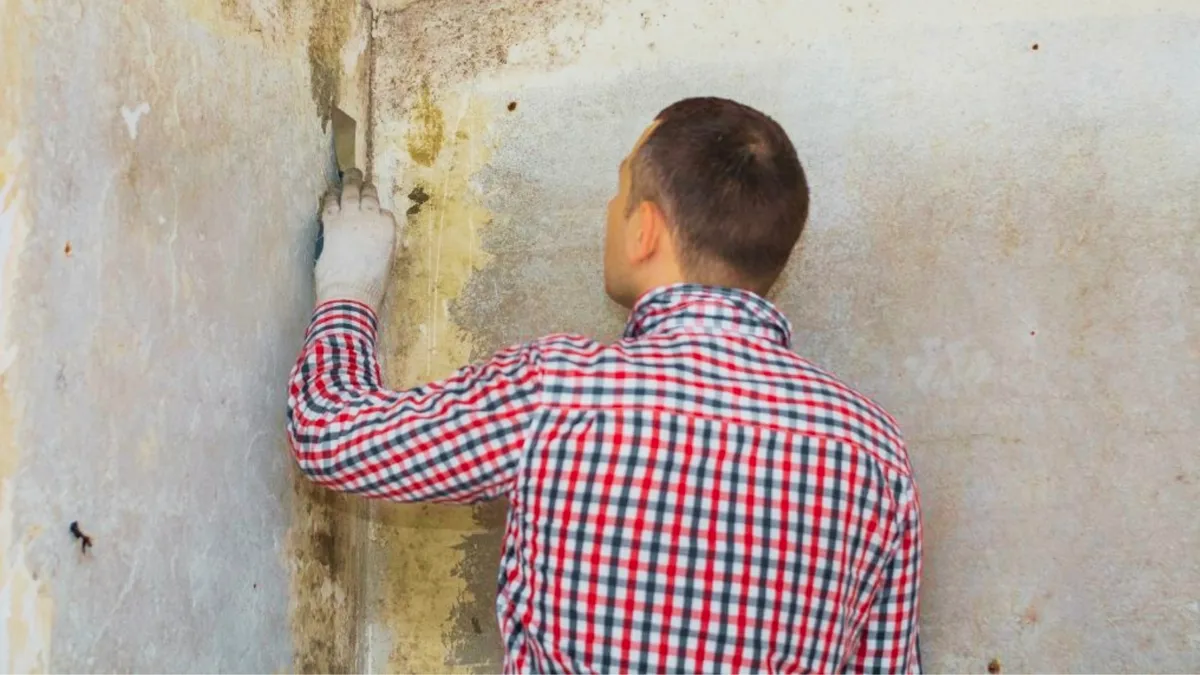
Mold Inspection in Lone Star
When mold inspection is needed in Lone Star, Texas, the first few hours matter most. Not all mold is visible. It can grow behind walls, under flooring, in attics, and inside HVAC systems — often signaled only by a musty odor or unexplained health symptoms. A professional mold inspection identifies where mold is present and how extensive the problem is.
In Lone Star, Texas, our technicians bring the same approach: mold inspection and testing combines visual assessment, moisture readings, and sometimes air or surface sampling to give property owners a clear picture before remediation begins.
Working in Morris County means accounting for what the East Texas region does to buildings here. East Texas gets more annual rainfall than most of the state, and its humid, forested climate keeps moisture around longer after a storm.
Our line for Lone Star is staffed around the clock, every day of the year. Damage that starts at 2am gets the same response as damage that starts at 2pm.
Whatever brought you here, the goal is the same: get a licensed technician to your Lone Star property quickly and walk you through exactly what happens next.
What To Do Right Now
The steps that limit damage, and the reactions that commonly make it worse.
Do This Now
- Leave the suspected area undisturbed so sampling reflects actual conditions rather than what cleaning stirred up
- Note when the smell or symptoms started and whether they track with weather, rain, or running a particular fixture
- List any past water damage at the property, including events that were dried and considered resolved
- Gather documentation from previous repairs, roof work, or plumbing fixes that might be relevant
- Photograph any visible growth or staining before the appointment
- Run the HVAC normally in the days before the inspection unless growth is visible at a vent, since typical operation gives a more representative air sample
Avoid Doing This
- ×Do not clean, scrub, or treat the suspected area before the inspection, as it invalidates sampling
- ×Do not run air purifiers, ozone generators, or foggers beforehand, which temporarily suppress readings without fixing anything
- ×Do not open all the windows just before the appointment, since outdoor air changes the indoor baseline the samples are measured against
- ×Do not rely on a consumer settle-plate test kit to decide whether you have a problem, because those results are not interpretable against a meaningful baseline
- ×Do not hire the same party to assess and then remediate a licensed project, which Texas rules do not permit
- ×Do not delay the inspection because nothing is visible, since the growth causing a musty odor is usually inside a cavity
How To Tell You Need This Service
Problems This Service Solves
Here is what mold inspection can lead to for a Lone Star property if it is not addressed quickly. None of these get easier to fix the longer they are left alone:
- Hidden mold growth behind walls or under flooring
- Unexplained musty odors
- Uncertainty about air quality after past water damage
- Difficulty identifying the source of mold-related symptoms
When You Need This Service
We hear from Lone Star homeowners and businesses when situations like these come up, often without much warning:
- A musty smell is present without visible mold
- A property had past water damage and mold risk is a concern
- Buying or selling a property and wanting air quality clarity
- Confirming the extent of visible mold before remediation
What Happens While You Wait
Damage progresses on its own schedule. This is roughly how it unfolds.
Growth Continues
Mold does not pause while you decide whether to investigate. As long as material stays wet, the affected area expands and the eventual remediation scope grows with it.
Spread Beyond the Source
Growth moves along the moisture through cavities and into adjoining assemblies, and spores reaching a return vent are distributed to rooms that never had a water problem.
Material Damage Compounds
Framing, subfloor, and drywall deteriorate, stored contents become affected, and what an early assessment would have caught as a contained area becomes a multi-room project.
Undocumented Problems Cost More
Discovering mold during a transaction or after a claim is filed leaves you negotiating from a weak position with no independent record of when the problem started or what caused it.
Expect the work at your Lone Star property to run in phases rather than as one continuous push: assessment first, then the active mitigation stage where equipment is in place and monitored, then repairs once readings confirm it is appropriate to close up. Each phase has its own length, and your technician updates the estimate as the readings come in rather than holding to a number set on day one.
Our Process in Lone Star
Our process for mold inspection in Lone Star, Texas follows the same careful steps every time, regardless of how big or small the job is:
- 1
Visual Inspection
The inspector examines visible areas and likely moisture-prone spots like attics, crawl spaces, and bathrooms.
- 2
Moisture Readings
Moisture meters identify damp areas that may be feeding hidden mold growth.
- 3
Sampling (if needed)
Air or surface samples may be collected to confirm mold presence and type.
- 4
Report & Recommendations
Findings are documented with clear recommendations for next steps.
The Equipment We Bring
Equipment choice follows the inspection, not the other way around. At a Lone Star property our technicians measure first, using moisture meters and thermal imaging to establish how far the problem has traveled, then bring in extraction, drying, filtration, or containment equipment sized to what the readings show. Over-equipping a small job wastes your money and under-equipping a large one leaves damage behind.
What's Included
A typical mold inspection job for a Lone Star property includes the following as a baseline:
- Visual inspection of likely problem areas
- Moisture readings
- Air or surface sampling when appropriate
- A written report with findings and recommendations
Mold Inspection in Lone Star, Texas
Pier-and-beam construction with ventilated crawl spaces is common across East Texas, much of it built before modern vapor barrier practice. A damp crawl space feeds humidity upward into the living area through the stack effect, which is why mold problems here frequently start underneath the house rather than inside it. That is the backdrop for any mold inspection work in Morris County.
We provide mold inspection not only in Lone Star but across the surrounding Morris County area, including Daingerfield, Naples, Omaha. Wherever you are located in this part of Texas, the same licensed, insured technicians handle your call.
Seasonal conditions matter here as much as anywhere in the state. East Texas gets more annual rainfall than most of the state, and its humid, forested climate keeps moisture around longer after a storm. Older homes in the Pineywoods region, many with crawl spaces or aging ventilation, are especially prone to lingering dampness and the mold growth that follows.
Property Types We Serve in Lone Star
Homes, rentals, offices, retail space, and multi-tenant buildings in Lone Star are all within scope. What changes between them is access, scheduling, and who signs off on the work. Our technicians handle the coordination side of that so you are not the one relaying messages between a property manager, a tenant, and an adjuster.
Our Service Area Around Lone Star
City limits do not define where we work. A Lone Star address and an address several miles outside it are handled the same way, because dispatch runs on technician availability and travel distance rather than on which municipality the property happens to sit in. That matters in Morris County, where a good share of properties are outside any city boundary.
Who Shows Up at Your Property
Our technicians are licensed, insured, and assigned based on what the job actually involves. A straightforward water loss and a contaminated scene call for different experience, and we would rather send the right person to your Lone Star property than the nearest one. If you want to confirm credentials before work starts, ask, and we will provide them.
Working With Your Carrier
Your policy, not us, decides what is covered at your Lone Star property. What we control is the quality of the record: photographs taken before work begins, daily readings logged at fixed points, an itemized list of materials removed, and scope documentation your adjuster can verify independently. Claims that move smoothly are almost always the ones backed by that kind of evidence. Flood and sewer backup are commonly separate from base coverage, so check those specifically.
How We Keep You Informed
You should not have to chase us for an update. Our technicians working in Lone Star give you an arrival window rather than an open-ended wait, explain findings in plain language instead of trade shorthand, and confirm the plan with you before moving past the assessment stage. Rescheduling a follow-up takes one call.
Why Lone Star Chooses Us
Lone Star residents choose us because we are licensed, insured, and available 24 hours a day, rather than a call center that dispatches someone from out of the area. When you call, you reach a team that handles mold inspection across Texas every day, including right here in Morris County.
Beyond the technical side, we try to make a stressful situation easier to manage. That means showing up when we say we will, explaining the plan in plain language, and leaving your Lone Star property with clear next steps rather than an open-ended timeline.
The last stage is verification rather than a walkthrough. At a Lone Star property our technicians confirm the result with instrument readings, hand over the documentation package, and explain anything worth watching over the following weeks so a problem that was solved stays solved.
Nearby Areas We Serve
In addition to Lone Star, our technicians regularly serve these nearby communities:
Other Services We Provide in Lone Star
Mold Remediation
We also provide mold remediation in Lone Star. Certified mold remediation to safely remove mold colonies and address the moisture source in Texas homes and businesses.
Crawl Space Mold Removal
We also provide crawl space mold removal in Lone Star. Targeted mold removal and moisture control for crawl spaces, a common problem area in humid Texas climates.
Lone Star Mold Inspection FAQ
How long does a mold inspection take in Lone Star?
Most residential inspections take a few hours, depending on the size of the property.
Do I need testing, or is a visual inspection enough?
Visible, confirmed mold often doesn't require testing before remediation. Testing is more useful when mold is suspected but not visible.
What happens after a mold inspection?
You receive a report outlining findings, and if mold is confirmed, next steps for remediation.
Can mold inspections detect air quality issues?
Air sampling can help assess elevated mold spore levels, which may indicate hidden growth.
Is a mold inspection required before selling a home in Texas?
It's not always required, but many buyers request one, especially if there's a history of water damage.
Do you provide mold inspection in Lone Star, Texas?
We do. Lone Star and the rest of Morris County is covered for mold inspection, and the line is staffed around the clock.
How quickly can a technician reach my property in Lone Star?
We send the nearest available technician as soon as the call is understood. Travel time across Lone Star and the surrounding area varies, so you get an actual window rather than a slogan.
Do you also serve areas near Lone Star, like Daingerfield?
Yes. We cover Daingerfield, Naples, Omaha and the rest of the surrounding area in addition to Lone Star itself.
Are your Lone Star technicians licensed and insured?
Yes, without exception. That includes the state licensing Texas requires for mold remediation projects above the regulated threshold. Ask before work starts and we will provide the details.
What should I do before your technician arrives in Lone Star?
Make the property safe first and leave the rest to us. Shut off the water supply if that is the source, avoid the affected area if there is structural or electrical risk, and take photos before anything is moved.
Is there a fee just to have someone look at my Lone Star property?
There is no charge for the assessment. We would rather give you an accurate scope and let you decide than quote a number over the phone that changes once someone actually sees the property.
Do you work on commercial properties in Lone Star, or just homes?
Both. We handle mold inspection for homeowners, landlords, and local businesses in Lone Star, and we are used to coordinating with property managers or multiple tenants when a commercial job calls for it.
What if the damage at my Lone Star property is worse than expected?
It is common enough that we plan for it. If the readings show the damage reached further than the initial assessment suggested, you hear that first, along with what it changes about the scope and the timeline.
Lone Star property owners do not need to have everything figured out before calling. Our technicians are used to walking through the situation together, working out what is actually needed, and starting from there. If you are unsure whether what you are dealing with warrants a professional, that is a reasonable first question to ask us directly.
Get Mold Inspection Started in Lone Star
Call any hour for a licensed technician, a free assessment, and a written scope before any work starts.
Call Now — (866) 370-1338