
Mold Inspection & Testing in Lone Oak, Texas
Professional mold inspection and testing to identify hidden mold growth and air quality issues in Texas properties.
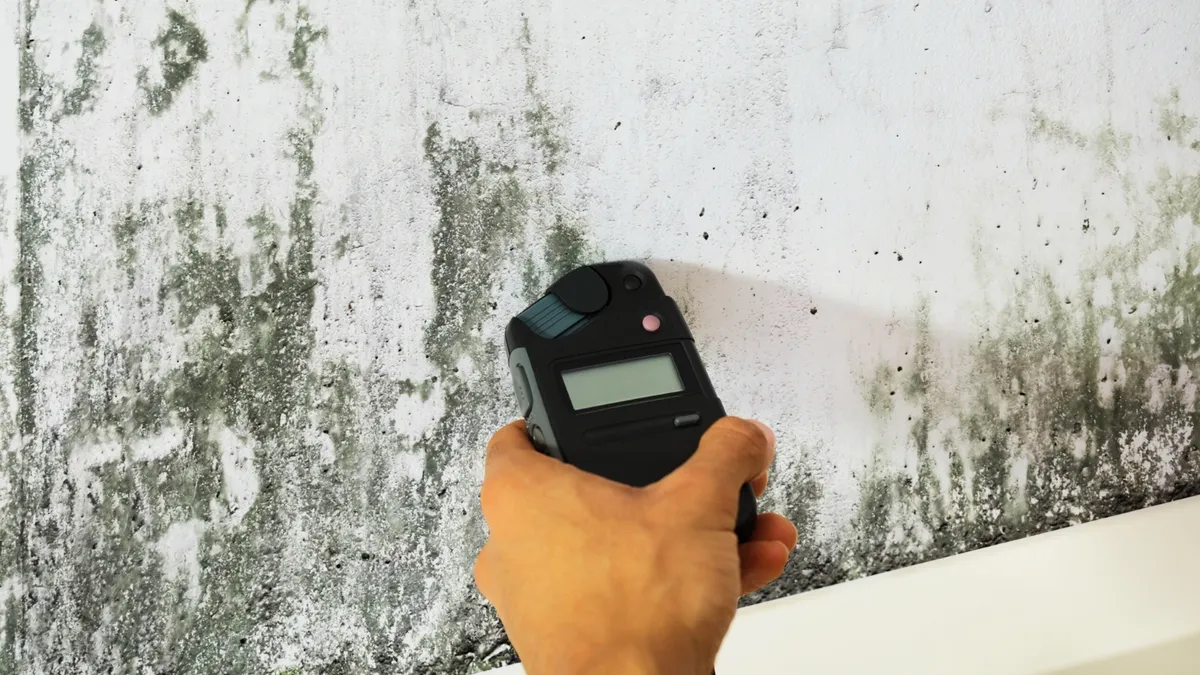
Mold Inspection in Lone Oak
Not all mold is visible. It can grow behind walls, under flooring, in attics, and inside HVAC systems — often signaled only by a musty odor or unexplained health symptoms. A professional mold inspection identifies where mold is present and how extensive the problem is. That holds true for homeowners and businesses in Lone Oak, Texas as much as anywhere else in the state.
Mold inspection and testing combines visual assessment, moisture readings, and sometimes air or surface sampling to give property owners a clear picture before remediation begins. The approach does not change based on whether a property sits in the middle of Lone Oak or well outside it.
Expansive clay soils across a wide band of Texas move with every wet and dry cycle, stressing slabs and the supply lines running through them. Wherever a property sits in Texas, acting quickly after water, fire, mold, or biohazard damage makes a real difference in how much can be saved.
Our line for Lone Oak is staffed around the clock, every day of the year. Damage that starts at 2am gets the same response as damage that starts at 2pm.
Whatever brought you here, the goal is the same: get a licensed technician to your Lone Oak property quickly and walk you through exactly what happens next.
What To Do Right Now
The steps that limit damage, and the reactions that commonly make it worse.
Do This Now
- Leave the suspected area undisturbed so sampling reflects actual conditions rather than what cleaning stirred up
- Note when the smell or symptoms started and whether they track with weather, rain, or running a particular fixture
- List any past water damage at the property, including events that were dried and considered resolved
- Gather documentation from previous repairs, roof work, or plumbing fixes that might be relevant
- Photograph any visible growth or staining before the appointment
- Run the HVAC normally in the days before the inspection unless growth is visible at a vent, since typical operation gives a more representative air sample
Avoid Doing This
- ×Do not clean, scrub, or treat the suspected area before the inspection, as it invalidates sampling
- ×Do not run air purifiers, ozone generators, or foggers beforehand, which temporarily suppress readings without fixing anything
- ×Do not open all the windows just before the appointment, since outdoor air changes the indoor baseline the samples are measured against
- ×Do not rely on a consumer settle-plate test kit to decide whether you have a problem, because those results are not interpretable against a meaningful baseline
- ×Do not hire the same party to assess and then remediate a licensed project, which Texas rules do not permit
- ×Do not delay the inspection because nothing is visible, since the growth causing a musty odor is usually inside a cavity
How To Tell You Need This Service
Problems This Service Solves
Our technicians see the same progression across Lone Oak, Texas. This is what tends to follow when the situation is left alone:
- Hidden mold growth behind walls or under flooring
- Unexplained musty odors
- Uncertainty about air quality after past water damage
- Difficulty identifying the source of mold-related symptoms
When You Need This Service
These are the circumstances that bring Lone Oak property owners to us. Most of them start small:
- A musty smell is present without visible mold
- A property had past water damage and mold risk is a concern
- Buying or selling a property and wanting air quality clarity
- Confirming the extent of visible mold before remediation
What Happens While You Wait
Damage progresses on its own schedule. This is roughly how it unfolds.
Growth Continues
Mold does not pause while you decide whether to investigate. As long as material stays wet, the affected area expands and the eventual remediation scope grows with it.
Spread Beyond the Source
Growth moves along the moisture through cavities and into adjoining assemblies, and spores reaching a return vent are distributed to rooms that never had a water problem.
Material Damage Compounds
Framing, subfloor, and drywall deteriorate, stored contents become affected, and what an early assessment would have caught as a contained area becomes a multi-room project.
Undocumented Problems Cost More
Discovering mold during a transaction or after a claim is filed leaves you negotiating from a weak position with no independent record of when the problem started or what caused it.
Expect the work at your Lone Oak property to run in phases rather than as one continuous push: assessment first, then the active mitigation stage where equipment is in place and monitored, then repairs once readings confirm it is appropriate to close up. Each phase has its own length, and your technician updates the estimate as the readings come in rather than holding to a number set on day one.
Our Process in Lone Oak
Here is what our technicians typically do once they arrive at a Lone Oak property, step by step rather than skipping ahead:
- 1
Visual Inspection
The inspector examines visible areas and likely moisture-prone spots like attics, crawl spaces, and bathrooms.
- 2
Moisture Readings
Moisture meters identify damp areas that may be feeding hidden mold growth.
- 3
Sampling (if needed)
Air or surface samples may be collected to confirm mold presence and type.
- 4
Report & Recommendations
Findings are documented with clear recommendations for next steps.
The Equipment We Bring
Our technicians arrive at every Lone Oak job with the equipment the situation actually calls for rather than a generic kit: moisture meters and thermal cameras to find out how far damage has spread, extraction and drying equipment sized to the property, and the protective gear needed for anything involving contamination or biohazard material. The specific tools vary by job, but the goal stays the same. Assess accurately before starting work, then use the right equipment instead of guessing. That upfront assessment is also what keeps a Lone Oak job from turning into a longer, more expensive one than it needed to be.
What's Included
A typical mold inspection job for a Lone Oak property includes the following as a baseline:
- Visual inspection of likely problem areas
- Moisture readings
- Air or surface sampling when appropriate
- A written report with findings and recommendations
Mold Inspection in Lone Oak, Texas
Texas covers a huge range of climate conditions, from Gulf Coast humidity to Panhandle winters, and property damage risk varies accordingly across the state. Wherever a property sits in Texas, acting quickly after water, fire, mold, or biohazard damage makes a real difference in how much can be saved.
Given Texas' humid climate in many regions, mold inspections are commonly requested after water damage events, during real estate transactions, or when residents notice musty odors without an obvious visible cause — especially in homes with crawl spaces or older ventilation systems. Lone Oak is covered by the same licensed technicians who work the rest of the state.
Another factor across Texas: humidity through much of the Texas year means saturated materials do not dry on their own once water has reached them. A room can feel dry while the framing behind the drywall still reads wet on a moisture meter, and that trapped moisture is what turns a contained incident into a mold problem weeks later.
Property Types We Serve in Lone Oak
Whether it is a Lone Oak homeowner dealing with a single affected room or a local business managing a larger loss, the same licensed technicians handle the job. Commercial properties sometimes add layers like coordinating with multiple tenants, a property management company, or a different insurance process, and our technicians are used to working within those constraints without slowing the restoration work down.
Our Service Area Around Lone Oak
Lone Oak is one of 926 Texas communities our technicians cover. Smaller communities are not deprioritized in our dispatch process, and the crew that arrives carries the same equipment it would bring to a job in Houston or Dallas.
Who Shows Up at Your Property
The technicians we send to Lone Oak are licensed and insured, and mold inspection is work they do routinely rather than occasionally. That matters because a lot of what determines how well a restoration job goes comes from doing the job regularly: knowing when a material can be saved versus needs replacing, spotting moisture a meter alone might miss, sequencing the work so nothing is re-damaged mid-project. We would rather send a technician who has handled dozens of similar jobs than one improvising from a manual.
Working With Your Carrier
Your policy, not us, decides what is covered at your Lone Oak property. What we control is the quality of the record: photographs taken before work begins, daily readings logged at fixed points, an itemized list of materials removed, and scope documentation your adjuster can verify independently. Claims that move smoothly are almost always the ones backed by that kind of evidence. Flood and sewer backup are commonly separate from base coverage, so check those specifically.
How We Keep You Informed
We try to keep communication simple throughout a Lone Oak job: you will know when the technician is arriving, what they find once they are there, and what the plan is before any work beyond the initial assessment begins. If something changes mid-job, whether that is more damage than expected or a material that cannot be saved, you will hear it directly from the technician rather than finding out after the fact.
Why Lone Oak Chooses Us
We are a licensed, insured restoration company rather than a dispatch service, which is the distinction that matters most to Lone Oak property owners. The crew that arrives, the equipment it brings, and the documentation you receive all come from the same company you called.
Clarity is most of what people want in this situation. At a Lone Oak property you get a written scope rather than a verbal estimate that drifts, readings you can see rather than an assurance that things are drying, and a straight answer when something changes mid-job.
A Lone Oak job does not end when the visible damage is handled. Our technicians check for the follow-on issues that are easy to miss, including lingering moisture, an odor that has not fully cleared, and a repair that needs a second look, before calling the job done.
Nearby Areas We Serve
Lone Oak sits within our statewide service area, which spans 926 Texas cities and communities.
Other Services We Provide in Lone Oak
Mold Remediation
Certified mold remediation to safely remove mold colonies and address the moisture source in Texas homes and businesses. We handle this across Lone Oak and the surrounding area.
Crawl Space Mold Removal
Targeted mold removal and moisture control for crawl spaces, a common problem area in humid Texas climates. Available for Lone Oak properties as well.
Lone Oak Mold Inspection FAQ
How long does a mold inspection take in Lone Oak?
Most residential inspections take a few hours, depending on the size of the property.
Do I need testing, or is a visual inspection enough?
Visible, confirmed mold often doesn't require testing before remediation. Testing is more useful when mold is suspected but not visible.
What happens after a mold inspection?
You receive a report outlining findings, and if mold is confirmed, next steps for remediation.
Can mold inspections detect air quality issues?
Air sampling can help assess elevated mold spore levels, which may indicate hidden growth.
Is a mold inspection required before selling a home in Texas?
It's not always required, but many buyers request one, especially if there's a history of water damage.
Do you provide mold inspection in Lone Oak, Texas?
Yes. Our licensed technicians provide mold inspection throughout Lone Oak and the surrounding area, available 24 hours a day.
How quickly can a technician reach my property in Lone Oak?
That depends on where in the state your property sits and what the roads are doing. We tell you a realistic arrival window when you call, and we update you if it changes.
Do you serve areas outside Lone Oak too?
Yes, including rural addresses and unincorporated areas. Coverage is statewide rather than limited to a set of metro territories.
Are your Lone Oak technicians licensed and insured?
Yes. We carry the licensing and insurance Texas requires for this work, and we will show you proof of it before anything begins if you would like to see it.
What should I do before your technician arrives in Lone Oak?
If it is safe to do so, address any immediate hazards: shutting off water at the main if there is active flooding, or staying clear of the property if there is fire or structural damage. Beyond that, there is no need to start cleanup yourself before our technician assesses the situation.
Is there a fee just to have someone look at my Lone Oak property?
No. The assessment and written scope come at no cost, and you are free to take that scope elsewhere for comparison before deciding anything.
Do you work on commercial properties in Lone Oak, or just homes?
We cover both. Offices, retail, restaurants, and multi-tenant buildings in Lone Oak are within scope alongside single-family homes and rentals.
What if the damage at my Lone Oak property is worse than expected?
We tell you as soon as we know. No additional work goes ahead at a Lone Oak property without walking you through what changed and why, and the supporting readings go into the same documentation package your carrier receives.
If you are dealing with mold inspection in Lone Oak right now, the most useful thing you can do is call rather than wait to see whether it improves on its own. Most of the situations above only get more involved the longer they sit. Our line is open day and night, and the first step is a conversation about what is happening at your property with no pressure to commit to anything.
Get Mold Inspection Started in Lone Oak
Our line is staffed around the clock. Free estimate, no obligation, and an honest answer about what your property needs.
Call Now — (866) 370-1338